Saturday, September 11, 2010

Peruvian Ceviche

What You Need: 1 lb fish (red snapper) Juice from 3 lemons Juice from 3 limes 1 medium onion Salt and pepper Pinch cayenne pepper 1 clove minced garlic 1 finely chopped hot pepper 2 TBSP fresh parsley 2 TBSP fresh cilantro
How to make it: Clean fish and soak for 10 minutes. Remove and pat dry. Cut the fish into pieces and put the platter. Place thinly sliced onions on fish. Add the rest and then cover with juices. Refrigerate for at least 4 hours before serving.                                                          

Featured Foods: Sacha Inchi and Cacao Beans

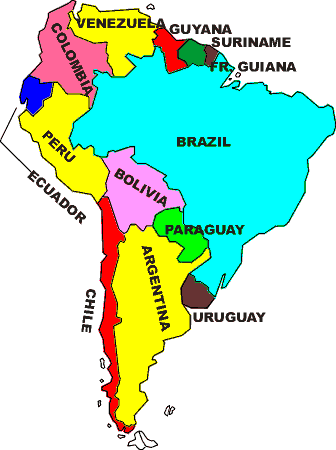
Look at this wonderful scene, it's no wonder that South America produces some great little culinary treasures. When I was at Whole Foods I found a package of roasted Sacha Inchi seeds. What really drew me to the package was the word omega written really big on the front (and we all know that I'm all about Omega-3s- hello fish oil!) Anyway I bought some to try. They definitely had a different taste, (I admit at first I didn't like them), but the more I tried the more they grew on me. I think they have potential in a trail mix (like with nuts, some unsweetened coconut flakes, and some cacao nibs, which I'm about to talk about). They're not going to be for everyone, but they're interesting and have good numbers, plus it's great to have variety and be able to add spice to your daily eating rountine. As I tried to find out more about these little seeds, I discovered cacao nibs. I figured we could discuss both since they both come from South America, plus everyone loves chocolate (and where does chocolate ome form- cacao duh).
Sacha Inchi is believed to be used pre-Inca and Inca, more than 3,000 years ago. It's high in protein- 27%. The greatest part is it's omega fatty acid content, which is more omega-3 (48%) to omega-6 (36%).They're also a good antioxidant (with high numbers of vitamin A and E). What do these things do for you health wise? They reduce triglyceride levels and hypertension, regulate blood sugar, regulate nerve transmission and nerve communication, and reduce arterial inflammation. You can also find it in oil form. With all these benefits, they can't hurt to try, can they?
Cacao- Warning this is not your traditional milk chocolate, it is extremely bitter and is probably mixed with something than eaten solo. We've all heard about the benefits of dark chocolate right? Let's check it out them out then. Cacao has a long history. Since the 16th century there have been no less than 100 medicinal uses for cacao listed in medical texts. The Maya, Olmec, and Aztec used the whole cacao plant, and it's use spread further after the Spanish conquests of the 1500's. Above all, I think its most redeeming quality is its high antioxidant level (which is higher than wine, most vegetables and fruits, and 4 times the concentraion of green tea!) They're a rich source of: magnesium (stress relief, plus it relaxes muscles, while building strong bones and teeth), calcium, iron, zinc, copper, manganese, and potassium; plus a good source of: vitamin A, B1, B2, B3, C, and E. They also contain two chemicals (phenylehtylalamine and andamide) which elevate mood and increase focus, by stimulating the production of serotonin and endorphins. The flavanol epicatechin in studies has shown promise in preventing stroke damage. What are some other benefits? Cacao may: lower blood pressure, anti-inflammation, anti-platelet function, higher HDL, decreased LDL oxidation, greater insulin sensitivity, stimualte nervous system, improve digestion and elimination, and improve endothelial function in overweight adults. In addition the antioxidants may help with arteriosclerosis and may lower the oxidative stress of strenuous activities (therefore helping athletes recover). Once again I'm not encouraging you to go out and mow down on some chocolate bars. The health benefits come from the raw, unprocessed beans or nibs.
Step out of your comfort zone and try some South American treasues. Mix them in a trail mix (maybe even throw in some goji berries) or eat them by themselves. I know that you can find them at Whole Foods stores (note that they can be a little pricey).

Thursday, September 9, 2010

Regional Cuisine

Yesterday we discussed some of the hunting and eating habits of South America's indigenous people, but today we'll look at what everyone else is eating. Generally South Americans tend to eat 3 large meals and 1-2 snack meals. They consume fruits, vegetables, and nuts in abundance. They don't tend to drink milk, only in their coffee (which is very popular, Brazil alone produces 1/3 of world's coffee). Coffee is drank heavily in Brazil, Ecuador, Colombia, and Argentina. They generally serve it concentrated and then diluted with evaporated milk or water. In Chile and Uruguay tea is the preferred drink. In Argentina, Uruguay, Paraguay and southern Brazil they drink yerba mate. It's a tea-like drink renowned for its medicinal properties and known as the "drink of the gods."
They believe that it energizes the body, stimulates mental alertness, strengthens the immune system, and aids in weight loss. It contains 24 vitamins and minerals, 15 amino acids, 11 polyphenols, caffeine, and is in antioxidants. It is drank out of a special metal straw (as you can see in the picture). The general cuisine tends to be a blend of cultural backgrounds (Spanish, African, East Indian, Portuguese, etc), cooking styles, and foods of colonial Europeans. Grilled meats (like beef, hogs, lambs, and goats) slowly cooked for hours are popular throughout. One popular method cooking method is an oven pit.
In Peru they refer to them as pachamanca (picture to the right), where a young pig or goat is cooked under a layer of hot stones, leaves, and herbs. A popular food (that is quite trendy) is quinoa.  It has been a staple for millions of native inhabitants, although production declined after the Spanish conquests, and at times it has only been grown by peasants (although it's popularity again is rising and it's appearing in health stores throughout the world). Quinoa is a relative of spinach and swiss chard. It is a complete protein (with 9 amino acids) and is a source of manganese, magnesium, iron, copper, and phosphorus. Many turn to quinoa when they are starting a grain-free lifestyle, be heady though, because it is a little carb heavy (53 according to the glycemic index). There are better options in my opinion, but it is better than eating bread. Let's explore these regional cuisines:
* Colombia and Venezuela: Spanish influenced. Meals tend to be served with olive oil, cheese, parsley, cilantro, garlic, and onions. Hot chili peppers are served on the side with most dishes. Local fruits and veggies are eaten in abundance. A speciality meal in Colombia is hormiga, or toasted fire ants (picture to the left)!  *Argentina, Chile, Bolivia, Uruguay, and Paraguay: major beef producers. Argentina are famous for their specialty barbecue and grilled meat restaurants, called asados. Beef is definitely the main source, although lamb and other meat varities are popular as well. The national dish of Argentina is called a matambre (and I'm actually anxious to try this one, it's pictured to the right). It's a herb seasoned flank steak rolled around a filling of spinach, sliced or whole carrots, and whole hard boiled eggs that is either poached or baked. This region enjoys hearty soups and stews daily (fish is a popular soup choice in Chile, whereas Argentinians tend to like theirs with meats, vegetables, and fruit).
*Guyana, French Guiana, Suriname: heavy influence from Africa, East India, Portugal, and China. Pepper pots are popular in Guyana (stew of cassava juice, meat, hot pepper, and seasoning).
*Peru and Ecuador: cuisine styles differentiate between the Andes highlands and the coastal low lands. In the highlands they tend to eat a lot of potatoes (bad!), whereas the lowlands make a lot of ceviches. Ceviches are a way to prepare seafood marinated in either lime or sour orange. Also popular are chile's (which are abundant). They make salsa de aji, which is chopped chili, onion, and salt usually served with meat.

*Brazil: influences are Portuguese, African, and native. Portuguese dishes include dried salt cod, linguica (a type of sausage), and spicy meat stews. Africans brought okra and dende oil (palm oil)

Wednesday, September 8, 2010

International Week: South America


Sorry for such a long break, but we're back today to kick off international month! What region are we looking at first? Let's check out our neighbors below the equator- South America. Most of us (at least I do) think of them as a vibrant culture (fiery latinots) with a long history (Inca) and great source of hidden treasures (the Amazon and rainforests). How about all those Brazilian models? Don't we all envy those bronzed perfect bodies? What's going on down there? This week we'll explore South American health (both past and present) and explore some of its cuisine. South America has over 400 different indigenous groups. Spanish conquests of the 1500's wrecked havoc on these populations, however, spreading diseases that the these groups had never encountered (much like our Native Americans in North America). Most cultures became mixed and indigenous people only survive now by self isolation. Those that are more integrated into mainstream society are more vulnerable to modern diseases (obesity and hypertension, which lead to an increased risk of heart disease and diabetes),
along with alcoholism. Those who live in isolation have a better quality of life. Poorness or richness have no relevance because they don't recognize land property or monetary systems. Their health is linked to a healthy ecosystem, transmitted knowledge (practical information, beliefs, and religious practices), and health practioners (shamans). Extinction of indigenous groups have resulted in a loss of rich information on medicinal plants and their eco-systems. There are still many groups today  (mostly able to live through government protection because some have encountered land disputes with miners and deforestation). In Brazil many tribes in Brazil can be found in the Javari Valley. Some other groups include the Nanti and Nahua of Peru, the Nukak of Colombia, the Ayoreo of Paraguay, and the Huaorani of Ecuador (some of these we'll look at closer). So how do these tribes live today? The Nukak are nomadic hunter-gatherers with seasonal

patterns. They are expert hunters- using poisonous blowguns to kill monkeys, birds, peccaries, and cuman sclerops (whose eggs they eat too). They also capture rodents, amardillos, tortoises, frogs, crabs, shrimps, snails, and larvae of palm weevils. They fish with bow and arrows or harpoons. I also read that they use nuun roont, which stun the fish in the water and make them easy to capture. Another tribe are the Huarani of Ecuador. They also hunt monkeys, birds, and peccanes, but refuse to hunt deer (which the Nukak do too) because their eyes are too similar to humans. They don't like to kill and to counterbalance that the shaman demonstrate respect through preparation of the poison on the darts. They believe by using darts they are retrieving rather than killing.

These tribes are as close as one can be to our paleolithic ancestors. Hunting and gathering for themselves, and only really sucombing to modern diseases by coming in contact with society. That means no obesity and heart disease and diabetes. Next we'll look at popular regional cuisines that most in South America are eating.

Saturday, September 4, 2010

Anticucos

Ingredients:
1 beef heart (cut into chunks)
1 cup red wine vinegar
4 tbsp cumin
1 tsp pepper
1 tsp salt
5 minced garlic cloves
1 tsp parsely
2 tbsp cilantro
4 dried chilies (soaked, deveined and deseeded)
1/2 cup extra virgin olive oil

How to Make It: Combine all the ingredients, except the heart, in a blender until smooth. Pour into a bowl and add the heart chunks, marinade 4 to 6 hours. Put 5-6 heart chucks onto a shewer and place in a glass dish. Pour the marinade overtop and cover the meat. Grill for 1-2 minutes on each side. 

Menudo


Ingredients:
2 lbs beef tripe (cut in squares)
1-1 1/2 beef feet (cut 4 pieces)
1 cup diced onion
3 cloves garlic (crushed)
4 quarts water
Spice Mix:
1 clove garlic
1 large tomato
1 ancho chili (toasted, seeded, soaked overnight)
To Make:
Place foot, tripe, onions, garlic, salt and water in a stockpot. Boil and lower to simmer (for 2 hours or until tender). Combine spice mix in a food processor and run until smooth. When the foot is tender remove it from the pot and strip the meat into the pot. Add spice mix and simmer an addition 2 more hours. Add oregano, salt, and pepper and serve.

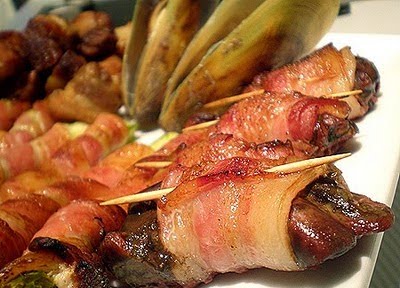
Offal Recipes: Bacon Wrapped Liver

Ingredients:
Bacon (cut in 1/2)
Chicken Livers (cut quarters)
Pepper

How to Make It:
Preheat oven to 400 degrees fahrenheit. Sprinkle the liver with pepper (and salt if you so desire). Wrap each chicken quarter with half a slice of bacon, then secure with a toothpick. Place in a pan and put in the oven. Cook until liver is cooked and the bacon is crispy

Friday, September 3, 2010

Offal not so Awful

Offal is a reference for what consider to be the animal leftovers (organs and such). Examples of offal would be brain, liver, kidneys, spleen, heart, pancreas, stomach, tripe (stomach lining), thymus (sweetbreads), tongue, intestines, blood, intestines, and ox tail. Why would you possibly want to eat any of these things? Like all the other featured foods we've had they have many benefits. They tend to be high in iron (red blood cells deliver oxygen) and this iron provides a source of zinc (important for growth, tissue repair, and for proper reproductive function). Also a good source of B vitamins (like B12 that is vital for the production and function of red blood cells and for an efficient nervous system), selenium (work with antioxidant enzymes), and protein (growth, repair, and energy).  Let's look at some of these individually now:

  • Liver: concentrated levels of vitamin A (vision and protein digestion), vitamin D, vitamin E, vitamin K, minerals (zinc, manganese, selenium, and iron), B vitamins (B2, B3, B5, biotin, folacin, B12, and choline), vitamin C, number one source of copper, contains CoQ10 (important for cardiovascular function), and essential fatty acids (omega-3). It is rich, dense, and creamy.

  • Kidneys: good source of protein, fatty acids, vitamin A, vitamin D, vitamin E, vitamin K, iron, all B vitamins and zinc. Strong flavor.

  • Heart: protein, B vitamins, thiamin, folate, selenium, phosphorus, zinc, CoQ10, amino acids (improve metabolism), compounds (promote production collagen and elastin) and iron

  • Tripe: enzymes, omega-3 fatty acids, probiotics, and phytonutrients.
Tomorrow I'll post some recipes if you want to venture out of your comfort zone and try some different animal parts, there are several options (and you can find all kinds of recipes because there use is more common outside of the US especially in Asian cultures where they use the whole animals, but they're used more in European recipes, especially kidneys and foie gras, or in blood 'puddings' and such). Plus it can be cheaper than eating steak all the time, but still provide you with protein.

Thursday, September 2, 2010

B6

We've discussed B12, now let's look at that other B vitamin, B6. B6 is a water-soluble vitamin that comes in three forms: pyridoxine, pyridoxal, pyridoxamine. It is important because it is used by over 100 enzymes involved in protein metabolism. We need B6 to make hemoglobin, which carries oxygen to tissues in the body. Also vital to the immune system. It maintains lymphoid organs health, which make white blood cells. A deficiency of B6 has shown decreased antibody production and suppressed immune responses. Great for blood sugar regulation. B6 converts stored carbohydrates to glucose to maintain blood sugar levels during low caloric intake. It's great for the brain as well. It is needed for the synthesis of serotonin and dopamine (neurotransmitters vital for nerve cell communication). B6 may be used to prevent/treat: cardiovascular conditions (like atherosclerosis and hypertension), nervous system conditions (carpal tunnel syndrome, depression, autism, and epilepsy), skin conditions (acne and eczema), and it's linked to alcoholism, asthma, HIV/AIDS, kidney stones and PMS. Excellent sources of B6 include: spinach, bell peppers, and turnip greens; whereas other good sources include: garlic, tuna, cauliflower, mustard greens, celery, cabbage, asparagus, broccoli, kale, collard greens, Brussels sprouts, cod, and chard.

Wednesday, September 1, 2010

Park workout


Here is a video from my workout at Deming Park on Sunday. This is Spencer Harlan doing our new move- squat throws with a kettlebell.

Tuesday, August 31, 2010

Fabulous Flora

Since Friday we'll be talking about animals guts and such, I thought we'd cover the human gut. There are between 300 and 1000 different kinds of bacteria (or flora) that live in the gut. Most people think of bacteria as bad, but these flora play an important part of human health. Let's look at some of the functions of bacteria. Through a fermentation process called saccharolytic fermentation they turn carbs into short chain fatty acids (SCFA). This produces acetic acid, propionic acid, and butyric acid. All of these provide a useful energy source and help to absorb minerals (such as calcium, magnesium, and iron). Acetic acid is used by the muscles. Propionic assists in ATP production. Butyric acid provides energy to gut cells. This fermentation process lowers pH in the colon, which prevents proliferation of harmful bacteria.  Bacteria have also been associated with helping prevent allergies (those with allergies tend to be lacking in a certain bacteria strand). All of this is developed at birth. Flora isn't something your born with, it starts to develop right after birth (by the age of two flora is the same as an adult). It helps with immune function as well by fighting harmful bacteria, but leaving alone healthy bacteria. Foods (such as fiber, fruits, and vegetable skins) encourage growth of flora. Also eating a wide variety of foods and experimenting (not just eating raw but cooking in different styles) will help to expose you to more bacteria and gut flora.

Monday, August 30, 2010

Benefits of Bones


This week I'll be covering the seemingly gross world of bones and offal. Today we'll start with bones. Most of us don't regularly use bones in the kitchen (most actually probably never had), but there are many benefits to eating bone marrow or just by cooking with it.  Bones seem like something you see on the travel channel with Andrew Zimmerman or Anthony Bourdain eating, or that you would see in some exotic Asian country where they use the whole animal. What's great about bones is not only are they good for you, but they're pretty inexpensive as well, so just throw them in a homemade broth! What are these benefits? A summary of The Benefits of Bone Broth are listed here:


1. Promotes healing: Bone broths have been used successfully in treating gastro-intestinal disorders, including hyper-acidity, colitis, Crohn's disease, and infant diarrhea.
2. Digestive aid: Aids in the digestibility of vegetables and meats and is hydrophilic in nature
3. Macro minerals: Contains highly absorbable forms of the calcium, magnesium, potassium, phosphorus, sulfur and fluoride as well as trace minerals
4. Gelatin and Collagen: rich in both; promoting bone and joint healing in addition to supporting digestion
5. Protein: adds easily digestible protein to your diet
6. Amino acids: Glycine, proline, hydroxyproline, and lysine are formed, which is important to detoxification and amino acid production in the body
7. Joint support: Glucosamine, chondroitin sulfate, and hyaluronic acid are produced and present for additional muscle and joint support
8. Immune system: Promotes the assimilation of vitamins and minerals and thus supports the immune system
9. Delicious and nutritious: use as soup, cooking liquid, sauce or as a tea.
10. Synergy: Finally by initially healing the GI tract, broth creates an environment for all of the nutrients being taken in, whether by food or supplementation, to increase their bio-availability to your body.
  Now that you know the benefits, how do you use them? Make a stock with them. or you can eat the bone marrow (made up of osteoblasts, adipocytes, fibroblasts, and osteoclasts). To prepare set the bones upright on foil for 15 minutes at 350 degrees Fahrenheit. When they begin to bubble they're ready. Many consider bone marrow a delicacy, but if you're not quite up to it, I'd suggest throwing some bones in your next soup stock.

13 Nutritional Shortcomings of Whole Grains

First off the US government recommends a ridiculous number of grain consumption daily. Most who consider themselves healthy think that they're benefiting by switching from refined grains to whole grains (we know already how grains are for you though). Really though whole grains are not any better. I'm going to list some of the negatives of whole grains that I found in Going Against the Grain.

  1. Whole grains contain no vitamin C (antioxidant for immunity, and prevention of cataracts, cardiovascular disease, and cancer).

  2. No vitamin A and vitamin A precursor, beta carotene (reinforces immunity and promotes healthy mucous membranes).

  3. Not a good source of B vitamins compared to the calories they provide (good for stress and energy production).

  4. Antinutrients reduce B6 status (strong immunity, female hormonal balance, psychological well-being and prevention of homocysteine)

  5. Contain no B12 (nerve and brain health)

  6. Low levels bioavailable biotin (needed for metabolism essential fatty acids)

  7. Alter the metabolism of vitamin D (bone health and strong immunity)

  8. low levels calcium and other factors that contribute to poor calcium metabolism (bone and dental health).

  9. Numerous elements that reduce iron absorption (iron deficiency and fatigue)

  10. Low in protein (lean mass, normal body repair)

  11. contain phytate and other factors that impair zinc absorption (strong immunity, proper development, and growth).

  12. No taurine or carnitine (essential amino acid cardiovascular effects and energy metabolism).

  13. Low in fat, but contains high Omega-6 to Omega-3 (promotion insulin resistance and pro inflammatory).

Saturday, August 28, 2010

Alternative Sack Lunches

Possible choices to pack for your young one for school:
  • Celery and Almond Butter (or there are a myriad of other butters you can try: Macademia, Pistachio, Cashew; plus you can make your own just run your favorite nut through a food processor and you have a natural butter, maybe add a little sweetener or a raw honey. It's all yummy and better than the traditional peanut butter).
  • Roasted Almonds: Another great option with this most nutritious seed is roasted almonds, if your kids are sick of raw almonds, you can season them with anything (make it sweet and put cinnamon or make it hot and put chipotle, or you could use rosemary or sage; the options are limitless). Just place in a pan and drizzle with oil (you could use olive oil or even try coconut) and season to your liking, then place in the oven for a nice toast.
  • Apples and pudding: We like to make the proDesert pudding packages, they taste similar to cake batter, but they're a sweet treat that you could make and dip with sliced apples, for a meal that provides the benefits of fruit and has protein for kids' growing muscles!
  • Turkey Wrap: use lettuce or you could even try swiss chard (August 13). Layer in the middle with turkey (or whatever kind of meat your kid likes, it could be chicken or ground beef, or even ground bison), tomato, and avocado (or with whatever veggies your kid likes).
  • Stuffed Strawberries: for a nice treat every once in a while you can send them with stuffed strawberries. Just take the centers out of the strawberries and with cream cheese mixed with a little bit of sweetener and top with a cocoa almond.
  • Trail Mix: This is sooo! simple. Just gather a variety of nuts (almonds, cashews, pistachio, walnuts, macadamia nuts, pecans, or even try a seed called sasha inchi, which is a South American seed high in omega three fatty acids), then you can mix in some unsweetened coconut flakes.
  • Coconut Soup: In the fall put some of this soup in a canteen. Just mix coconut milk, vegetable stock, protein (soup, salmon, chicken, ground beef) and any vegetables (carrots, cabbage, onions, or peppers for something hotter) in a sauce pan.
  • Tomato Soup: roasted tomato soup (recipe on August 14) recipe, that you could pack with some fried chicken (just dust with coconut flour and fry in coconut oil, check recipe on August 14) and celery, or serve with the turkey wrap.
  • Stir Fry: get out your wok and throw in a variety of meats (cubed grass meat, chicken, etc.) with any veggies (Brussels sprouts, cabbage, zucchini, asparagus, onions, peppers), maybe even throw in some nuts (cashews or even pine nuts). Cook it all in coconut oil and you're done!
  • Fruit compote: the recipe is listed on August 14, but it's simple basically mix any fresh fruit (plums, peaches, blueberries, cherries, raspberries, and blackberries) with some sweetener in a large sauce pan.
  • Egg Muffins: if they miss breakfast just throw these in their sack or put it for lunch. You can make up a bunch at a time and they're easy to make and to pack. Simply mix a dozen eggs, cheese, and veggies (try chopped baby bellas, or shredded spinach, our lead trainer enjoys them with bacon and blueberries). There are soo! many options and they're so easy!
  • Fried chicken: Mix a little bit of coconut flour with some seasoning (garlic powder, onion powder, Country Bob's seasoning). Lightly dust the chicken (you can use thighs or legs or wings) with the flour. Place in a skillet with coconut oil and cook thoroughly. Place on a napkin to cool and then pack.
  • Almond Cookies: if your kids our good pack them some almond cookies. Mix 1/2 cup splenda, stick of butter (organic or grass fed butter is the best option if you can find it), 3/4 cup almond butter, 1/2 cup almond flour, 1/2 tsp baking powder.
  • Turkey Curry: give your kids an international treat, with curry. Check out the recipe posted on the July 24, once again mix with any vegetables and layer ontop of a bed of cauliflower rice.
  • Smoked sausage and cabbage: once again this is another recipe that is so easy to do. Make a large batch and serve intermittenly throughout the week. Recipe on June 26.
  • Pizza: for a treat once in awhile try a pizza. There are recipes out there for coconut flour or almond flour pizza crust. Layer with meat and tomato sauce, but be cautious with the cheese (raw cheese is always the best option). I make a pizza with an eggplant crust (May 22).
  • Pork and Apples: a nice savory lunch. Simply cook some diced granny smith apples and pecans then serve over a piece of pork.
  • Vegetable Chips: slice veggies (raddishes-I've had these and they're good, but you can zucchini as well) really then. Place in a baking pan and drizzle with oil and seasoning.

Friday, August 27, 2010

Featured Food: Broccoli Rabe

I thought that broccoli would be an obvious choice (because you always here about kids not wanting to eat their broccoli), but I decided to go with something most not know about and which still contains the word broccoli. It's pronounced like rob (just a side note). Broccoli rabe actually isn't even related to broccoli, it's a part of the mustard family, so it is kin to cabbage, kale, cauliflower, and mustard (obviously). It's popular in southern Italian (especially Sicily), Chinese, and Portuguese cuisines. It has a nutty, bitter, and pungent taste. Broccoli rabe is a good source of vitamin A and C (great for fighting free radicals), vitamin K and magnesium (bone development and repair), potassium, calcium, iron, and folate (protects against birth defects and heart disease). It's biggest health benefit is it's high concentration of phytochemicals (sulforaphane and indoles). These defend against certain cancers (of special note: stomach, lung, and colon). Indole is important for estrogen metabolism and decrease the risk of hormone dependent cancers; while, sulforaphane neutralizes carcinogenic chemicals and detoxes the body. It's numbers are even better, so fill up! Just one cup has only 9 calories, 1 g carbs, 1 g fiber (so 0 active carbs) and 1 g of protein. It's usually served sauteed with garlic, like you see above.

Thursday, August 26, 2010

Exercising for Kids

Growth Hormone

Most of us have heard about human Growth Hormone (hGH, thanks in large part to those like Sylvester Stallone promoting there 'magical' anti aging properties). hGH is a protein hormone secreted by somatotrophs in the pituitary, and is comprised of 190 amino acids. As you can tell from it's name it plays an important role in growth (which is important to kids, who are our topic for the week). It stimulates the liver to secrete IGF-I. This stimulates cartilage cells and results in bone growth. The IGF-I also appears to be key to muscle growth because it stimulates amino acid uptake and protein synthesis in muscle. It maintains blood glucose, as well, by suppressing the insulin's ability to stimulate glucose uptake by peripheral tissues. Release of hGH is controlled by Growth Hormone-releasing hormone (GHRH) and Ghrelin. Somatostatin (SS) inhibits the release in response to GHRH and other stimulatory factors (such as low blood glucose). Growth Hormone is stimulated by: peptides (GHRH and ghrelin), sex hormones (androgen, especially during puberty, and estrogen), deep sleep, fasting, and vigorous exercise. Growth Hormone levels effect: height in children, increased calcium retention (increase bone mineralization), growth of internal organs, increase protein synthesis, homeostasis maintenance, prevention of hypoglycemia, and stimulates immune function. Increased levels have also been associated with decrease body fat, increased muscle mass, increased bone density, increased energy levels, improved skin tone, and increased sexual function. It's clear that Growth Hormone is essential, so what can be done to maximize levels (without injections)? Production is effected by stress, exercise, nutrition, and sleep. Sleep probably being the most important of these (we talked about it Tuesday), I can't emphasize how important sleep is, especially for growing children. For children and adults the most intense period of growth hormone release is just after the onset of deep sleep. The more you sleep the more Growth Hormone you have, whereas the less you sleep the less Growth Hormone you have.Exercise is also a natural stimulate, as is diet (as is important with all aspects of health). Insulin actually inhibits Growth Hormone (another reason not to eat grains, starches and sugars, which spike insulin levels), especially pay attention to what you're ingesting after a workout. Eating something with a higher glycemic index, actually reduces the hGH effect from the workout that you just did. Eat a low glycemic food and lean protein after exercise to maximize Growth Hormone. Also stay hydrated. Dehydration decreases exercise induced hGH response. Key points for muscle and bone growth (and maintenance): SLEEP, exercise, SLEEP, reduction in insulin intake, SLEEP, and diet.

Wednesday, August 25, 2010

Active Kids

We've already discussed the disgusting statistics of overweight kids in the US, now we'll look at activity levels. Kids nowadays have access to a variety of media entertainment (t.v., computers, iPods, even phones, kids keep getting cell phones younger and younger, so they now spend time texting). Oh yeah we can't forget video games. With all these possible activities, is it likely that kids are going to chose to go outside and do something? I think not. Kids spend an average of 3-51/2 hours with media entertainment, which increases to 6 hours for teens. How are they supposed to be getting their required daily amount of physical activity with all this t.v. time and school? They're not! Less than one third of kids get the minimum amount of physical activity during the week, and this drops to only 17 % on the weekend. They're not getting enough activity in school either, only 10% of schools offer daily physical activity. All these sedentary kids are setting themselves up for health risks. They usual weigh more, have higher blood pressure, and lower levels of 'good' cholesterol. In addition sedentary children are more likely to become sedentary adults. What can be done to counteract these sedentary lifestyles? Sports are always one option. They're a great way to interact with other kids and for a friendly dose of competition, plus there are so many sports that kids can try until they find one that works for them. Activity doesn't have to be organized though it can be as simple as a bike ride or skateboarding (X Games and extreme sports are pretty popular). Try a simple game of tag or make it a family affair and take a hike or go to the a play ultimate frisbee or some slow pitch. There are so many options and it doesn't have to feel like they're working out, it can be play (which we've talked about several times- July 4). The option are limitless! Just get them outside, they'll get vitamin D, plus studies have shown the benefits of being outdoors on mood. So you'll have a happier healthier kid. Limit the t.v. time and get outside with them.

Tuesday, August 24, 2010

Sleep and School

I've talked about the benefits of adequate sleep before, but proper sleep is even more important for kids. Kids are growing and developing and they need sleep to restore hormones. Their brains are growing until they're about 21 and a lot of their development occurs while sleeping. A lack of sleep can lead to loss of up to 2 years maturation (so basically a 6th grader who is only as mature as a 4th grader). They have a hard time recollecting things they've learned because their neurons lose plasticity, and become incapable of forming new synaptic connections to encode the memory. Their prefontal cortex are affected, which orchestrates thoughts to fulfill a goal, predict outcomes, and perceive consequences. Sleeping restores information learned during the day for efficient long term learning. This basically explains why sleep is more important than that late night cram session (especially I think for college students- constantly pulling all-nighters to study). Staying up and studying for that test is actually digressive from what you want and you don't store the information past that test (you're not retaining the information). For younger kids though the issue tends to be staying up with all the wonderful technological inventions of the last few decades. Kids watch and average of three hours a day, and usually veg out in front of the tv or computer screens before bed. Besides staying up later, the light from the screens actually keeps them up longer and promotes restless sleep. The light delays the drop in core body temperature and melatonin production, so that sleep is harder to come by. Twenty-five percent of kids have some kind of sleep problem (from restlessness to actual disorders); while 40% of adolescents have significant sleep complaints. What are the repercussions of reduced sleep? Sleep deprivation can cause: memory deficits, impaired performance and alertness; while loss of REM (intense sleep cycle) can result in increased irritability (and people wonder why teenagers are so groggy and moody), anxiety and depression, decreased socialization, reduced concentration (which leads to poor school performance), and decreased ability to handle complex tasks and be creative. In addition kids are growing and sleep is vital to growth hormone production and restoration. What can be done? We'll start with the most dramatic: schools could start half an hour later. This gives kids more time to sleep, plus studies show that performance is better in the afternoon (actually over 50% of kids said they aren't fully alert until after 3 PM and 20% of high schoolers sleep in class). One study showed that afternoon reading instruction produced greater reading scores, compared to morning instruction (this is important to note for tests like the SAT and ACT, which tests in the morning, so wouldn't it make sense to test in the afternoon?). Schools that have moved class times have seen better performances and focus, plus the kids tended to eat a better breakfast and were less tense at home. For most though, getting our school system to change class time isn't going to happen soon, so what can you do now to help? For a starter get the electronics out of the bedroom and reduce usage time before bed. Get kids on a regular sleep time. This includes the weekend. Having a regular sleep schedule has shown to produce greater hours of actual sleep time (less restless and able to fall asleep better). Childhood is an important part of development and sleep is vital for this development. Help your kids get more sleep so that they'll have better concentraion and restored hormones!

Monday, August 23, 2010

Back to School Week

I figured that we'd start out back to school look at what they're feeding kids at schools these days. One third of US children are overweight (that's one in three) and the obesity rate has more than tripled the last thirty years. What's worse is obese children are more than 80% likely to become obese adults. Most would blame fast food from a fast paced life and sedentary laziness (from video games and t.v. and a complete lack of physical activity). All of this is part of the problem, but are kids getting better choices at school? I think not, potentially worse, with an array of non-identifiable meats, french fries, and utter lack of vegetables and fruit! School food is an over processed mess that is loaded with fat (the bad kind- polyunsaturated), sodium, and fructose corn syrup. Thirty percent of schools rarely offer (which doesn't even mean they serve it, it's the kids choice whether to grab the broccoli!) vegetables that does not include potatoes. The food is so over processed! A typical grilled cheese (which is still bad- refined flour and dairy) has 30 ingredients, including high fructose corn syrup. Beef and cheese nachos has 24g of fat and almost 1,500 milligrams of salts (seriously?). One slice of pizza and 20 fries contain 801.8 calories and 44.8 grams of "bad" fat (a typical diet is 2,000 calories or less, this is almost half!). Just look at this meal above. First you have the beyond greasy (it would probably take at least 2 napkins to soak up all the polyunsaturated fat) traditional rectangle pizza, with corn (high sugar grain), pretzel and cheese (refined flour, sodium, and abnormally yellow and over processed cheese), and chocolate milk (I don't promote milk period, but flavored milk have an added 4 tsp of sugar, so if you drank two of these it would be like drinking 16 oz. pop. There is fruit there you say, but it's syruped-sugary fruit that spikes your insulin even more than the pizza, corn and pretzel. You have a tray loaded with sugar and refined flour, with a high concentration of carbohydrates and virtually no protein. You almost better off eating fast food! McDonalds and Burger King have more rigorous meat checks and KFC won't even use the chicken that they serve in schools (how sad is that?) Not only is the school bad but the other food sources they have aren't any better. Nine out of ten schools offer a la carte which don't even have to follow government regulations. Kids can load up on popcorn chicken, pretzels and cheese, nacho and cheese, mozzarella sticks, and more.Worst still is the presence of vending machines loaded with pop, candy, and potato chips! What's disgusting is schools don't want to band them because of the funding they provide. So kids are getting fatter at the cost of school funds. Vending machines provide 98% of money for public high schools, 74% of middle schools, and 43% of elementary schools. Still worse is that 75.8% allow advertising of candy, fast food restaurants or soft drinks on school property. Think of those scoreboards with the Pepsi logos (disgusting)!  So if kids choose to eat school food their healthy options are limited. A lunch could be comprised of a pretzel and cheese with a pop and candy bar. What is good about this? The pretzel is refined carbohydrates that will spike insulin (plus all the sodium), then you dip it in over processed cheese (probably with a higher concentration of omega-6). Then you wash it down with cups of sugar to raise your insulin even more and you top it off with a sugary desert (and we wonder why diabetes rates are skyrocketing in kids!). They are getting virtually no protein in this meal (at least not any complete sources of protein), so they have nothing to feed or fuel their growing bodies and growth hormones. This is sick (it literally makes my stomach turn at thinking that this is what are kids are eating). School is supposed to be a place of learning, but really it's counterproductive, when they're being fueled with junk! Malnutrition actually compromises intelligence and academic performance. So pumping them with all this toxic poison is making them do worse in school. The long run is worse. Being overweight puts them at risk later on in life (and now because they're susceptible now to diabetes) for cancer, cardiovascular disease, osteoporosis, hypertension, gall bladder disease, liver disease, sleep apnea, and high cholesterol. What to do? Start your kids young! Don't feed them grains, starches, and sugars (how can you crave something that you've never had, eating sugar after not having it for awhile, it is violently sweet and these kinds of food would probably make you sick). Start at home, though, don't have it in the house and teach them the right way to eat. Prepare lunch ahead of time (just like you would prep your own food ahead of time). It takes just a little bit of time to plan and pack meals ahead of time.What to pack? Saturday we'll post some sample menus and examples. If you want to take it further, challenge your school system (whether locally or at higher level like state). The first step is to be aware of the poisonous cafeteria food!