Thursday, September 30, 2010

Osteoporosis

Back to another condition that tends to affect the elderly, osteoporosis. Osteoporsosis means "porous bones" and it makes your bones become weak and brittle. They're so weak that even mild stress like bending over or coughing can cause a fracture. Fractures are the most common result of osteoporosis, with spine, hip, and wrist being the most popular sites. Just look at our little lady here! This is what happens to most elderly; let's go back to that shuffling old person you see scuttling down the street afraid to pick their feet. Why do they shuffle and not pick their feet up? Because walk imitates falling and picking up their feet means they could fall, and if they fall they're likely to break one of their frail and brittle bones! What causes the bones to get this way? Low levels of calcium and other minerals is generally the cause, although hormone levels can affect bone density as well. It's a fact that women are more susceptible to osteoporosis than men. After menopause when estrogen levels drop, bone loss increases dramatically. In men low estrogen and testosterone levels can affect muscle mass as well. Risk factors for osteoporosis: low calcium intake, tobacco use, eating disorders, sedentary lifestyles, excessive alcohol consumption, corticosteroid (treatments for asthma, rheumatoid arthritis, and lupus) medications,  and inadequate vitamin D. What can you do to prevent osteoporosis? First off you can eat calcium rich foods: almonds, cooked kale, canned salmon with the bones, and sardines. Here are some more great foods for bone health.

Tuesday, September 28, 2010

Alzheimer's

We'll continue on with our aging week, by discussing a condition that many fear, Alzheimer's. What a terrible condition. People with advanced Alzheimer's need help bathing, dressing, using the bathroom, eating and other activities. Those in the final stages lose the ability to communicate, aren't able to recognize loved ones and become bed bound and reliant on 24/7 care, in addition, their inability to move makes them more susceptible to infections like pneumonia. Alzheimer's is ultimately fatal. Who wants to end their life (or have a loved one die) like this, or who wants to have someone take care of them in this condition. It is a very real problem and there is no treatment for it! There are an estimated 5.3 million Americans with Alzheimer's disease (with 1 in 8 people over 65 having the disease). Every second someone in America develops Alzheimer's and that is believed to drop to 33 seconds by mid-century. It is becoming a real issue in the country, so we need to start to look at what we can do now to decrease our risk. We'll look at the disease and some preventative measures you can take, because changing your lifestyle can decrease risk! Your brain has 100 billion nerve cells, connected at synapses that transfers information. With Alzheimer's transformations at the synapse start to fail, the number of synapses declines, and eventually cells die. The disease affects different people in different ways. It usually starts, though, having difficulty remembering new information (because disruption of brain cells usually starts in regions of involved in forming new memories). Damage spreads and more symptoms arise:

Monday, September 27, 2010

Foods and Aging

We've just discussed aging, so now we'll look at some foods that can help you age successfully (by preventing diseases and adding other healthful benefits; plus, most importantly, they fit into a fat-burner lifestyle:
*Almonds: magnesium, vitamin E, fiber and monounsaturated fat (heart health).
*Apples: lower cholesterol and triglyceride levels; catechins (cancer preventative), quercetin (inhibit prostate, lung, liver cancer).
*Avocados: monounsaturated fat, fiber, vitamin E, folic acid, and potassium than any other fruit; beta-sitosterol (lower cholesterol); lutein (antioxidant that protects eyes and macular degeneration, safe guard cardiovascular system from athersclerosis and prevents prostate cancer).
*Beets: folic acid (heart disease and cancer), betanin (cholesterol oxidation), slow growth of skin and lung tumors.
*Blueberries: anthocyanins (oxidative stress), help brain dopamine production

Aging

Wow, this week I was going to cover aging and all the ailments that generally tend to tag-a-long with it, but I wasn't quite prepared. It is such a broad topic, that has different views, and classifications. You can't just put a number on it, it's quite complex, so I had to figure out how I'd reel it in without writing a book and getting overly scientific. Two posts is what I determined. This blog will be dedicated to the logistics and the second will deal with lifestyle and nutrition solutions. Here in the vain Western world we aging with crinkled noses and fight tooth and nail to turn back the hands of time, and discover the fountain of youth. Procedures run amuck fixing any sign or crease of true age. Women (and men) are notorious for lying about their age, always seeking to be perceived younger. There is the old adage that 'aging is a part of life,' which isn't true because not all animals age. Age is generally identified as a degenerative process, with a decrease of physical and mental function over time. Yet there are some animals (lobster, alligators, Galapagos turtles,

Sunday, September 26, 2010

Strenuous Exercise=Weight Loss?

Some food for thought based on the article in Time magazine. Many have the misperception that they will lose weight just by exercising, or by exercising more. It's the American idea that more is better. You know the type, they decide they want to lose weight so they go out and run for extended periods of time, but aren't changing other habits (kind of like ordering a diet pop when you go for fast food). I get it all the time, people will come in frustrated that they've been running miles a day without results. We spend $19 billion a year in gym memberships, 57% of people in 2000 said they exercised regularly (but how is this helping, if there are a larger percentage of people who are overweight and obese- 2/3 of the population?) The importance of exercise has been overrated in years past, and in some cases can make it harder to lose weight. For some it triggers hunger, which can cause over consumption and reverse the calorie deficit you create by exercising. A study was done by Dr. Timothy Church. They tested 464 women. The women were divided into 4 groups and assigned 72, 136, or 194 minutes of exercise a week and one group to maintain their usual routine. Most lost weight, but the ones beating themselves for hours most days of the week, didn't lose more weight then the other groups (and some even gained weight). Most ended up eating more (greater hunger after exercise or rewarding themselves). This is relevant because government and other 'health' organizations keep recommending more exercise. In 2007 the American College of Sports Medicine and American Heart Association made new guidelines of 60-90 minutes of physical activity for weight lose. We see it in pop-culture too, on shows like The Biggest Loser, where they are getting the crap beat out them for hours a day.

Saturday, September 25, 2010

Featured Food: Cauliflower

Thursday's cooking class featured cauliflower as the ingredient of the night, so as an added bonus you get to learn more about it! Considered a cruciferous vegetable, it's related to broccoli, kale, cabbage, and collards. Cauliflower consumption can help prevent cancers by balancing three systems that can cause cancer. These systems are: detox, antioxidant, and anti-inflammatory. Cauliflower contains phytonutrients (glucosinolates) that activate detoxification enzymes and regulate their activity. There are 3 gluconasturtian. Cauliflower is great for the antioxidant system because it is an excellent source of vitamin C and manganese; but it also includes a variety of phytonutrients (beta-carotene, beta-crytoxanthin, caffeic acid, cinnamic acid, ferulic acid, quercetin, rutin, and kaempferol). These all help to reduce oxidative stress, which chronically is a risk factor for cancer. How about inflammation? Cauliflower is an excellent source of vitamin K and a very good source of omega-3 fatty acids (in the form of alpha linolenic acid), which regulates inflammatory response. Glucobrassicin is converted to isothiocyanate (ITC), a compound that can prevent the initiation of inflammatory responses at an early stage. Persistant inflammation can increase the risk of cancer and other chronic diseases, like cardiovascular diseases. More on the heart? Glucorphanin is converted to isothiocyanate (ITC) sulforaphane, which triggers anti-inflammatory activity in cardiovascular system, while also helping to reverse blood vessel damage. It's good for you stomach too! It's high fiber content is great for your digestive system. Just 200 calories of it provides half your daily recommended fiber. Sulforaphane helps to protect the lining of the stomach by preventing overgrowth of bacteria. Research is ongoing to show cauliflower's potential benefits to lowering the risk of Chrohn's disease, inflammatory bowel disease, insulin resistance, irritable bowel syndrome, metabolic syndrome, obesity, rheumatoid arthritis, type 2 diabetes, and ulcerative colitis. With all this greatness is it any wonder why I love using it. I made at least 5 dishes with it. My favorite thing nowadays is cauliflower rice! Check out the recipes for more inspiration.

Beef Manhatten

What you Need:
1-2 tsp Extra Virgin Olive Oil
1/3 cup Diced Mushrooms
1/3 cup Diced Onions
1/3 cup Diced Peppers
4-6 oz Ground Beef
1/2 can Beef Gravy

How to Make it:
Precook your ground beef. Heat coconut oil in a wok. Add mushrooms and onion, cook for a few minutes. Add the beef and peppers. Toward the end add your gravy. Serve over cauliflower rice.This makes one serving, throw a bunch in the wok though to make a large batch.

Pot Stickers

 What you Need:
3-4 Cabbage Leaves
4-6 oz Ground Sausage
Toothpicks
1/4 cup Soy Sauce
2 tsp Seasame Oil
2 tsp Garlic Powder

How to Make It:
Divide sausage into little patties and cook ahead of time. Place cabbage leaves in hot water for 2-3 minutes. Meanwhile make your sauce by whisking the soy sauce, seasame oil, and garlic powder. Remove the cabbage leaves and let cool. Then simply wrap the sausages in the cabbage leaves, secure with a toothpick, and serve by dipping into the sauce.

Stuffed Peppers

What you Need:
1-2 Peppers
1 cup Cauliflower Rice
1/3 cup Diced Onions
1/3 cup Diced Mushroom
4-6 oz Ground Beef
1-2 tsp Extra Virgin Olive Oil
1-2 tsp Emeril Essence Seasoning

How to Make it:
Precook your ground beef. Preheat the oven to 350 degrees. Cut the tops off of the peppers, and then rub them in olive oil. In a bowl mix all of the other ingredients, then salt and peppers. Mix it up with your hands and then stuff it the peppers. Bake standing up in the oven for 25 minutes. Let cool and serve.

Dirty Cauliflower

What you Need:
1 TBSP Extra Virgin Coconut Oil
1/3 cup Diced Onions
1/3 cup Diced peppers
1 1/2 cup Cauliflower Rice
4-6 oz Ground sausage
1 cup Spinach
1 TBSP Cajun Seasoning

How to Make it:
Cook your sausage ahead of time. Heat up a wok with coconut oil. Add in the onions and peppers. Cook for a few minutes and then go ahead and add the rest of your ingredients. Cook for a little bit, then serve. It's quick and easy, but most importantly it's healthy, yet tasty!

Cauliflower Steak

What you Need:
Cauliflower heads
4-6 oz Steak (whatever your portion size)
2 tsp Extra Virgin Coconut Oil
1 tsp Butter
1 tsp Extra Virgin Olive Oil
1 TBSP Soy Sauce
1 TBSP Balsamic Vinegar

Friday, September 24, 2010

Featured Food: Olives

We've talked about olive oil several times, but where does olive oil come from? Olives, duh! The Mediterranean produces the best olives, and of course olives and olive oil are a central part of their diet, so we must discuss them. I think that olives tend to get a bad rap. Some canned verisons can be a bit high in sodium, and they do contain fat (which again I don't worry about fat because I am a fat burner), and calories so you don't want to overdue them (which is true with most foods). Before we get into all the benefits I thought we'd do a little history, because olives have such a large past (plus I find it interesting). They are thought to have originated in the Mediterranean region some 5,000-7,000 years ago. The trees are drought-, disese-, and fir-resistant, so they live a long time. A tree in Portugal has been shown through radiocarbon dating to be 2,000 years old. In addition, there are several in Israel (Galilee) that are over 3,000 years old, and one tree in Sardinia, Italy is 3,000-4,000 years old. They've been written about many times, in literature and the olive leafs have served as a sybmbol of abundance, glory and peace (think of the Olympic Games). Its's been mentioned in the Quran 7 times, and in the Bible 30 times (it is an olive branch that a dove delivers to Noah to signal the end of the flood). With such a rich history, this great tree must produce some great treasures: olives. Olives are actually a fruit, and they cannot be eaten right off the tree. They must be processed (tossed in brine and such) because they are so bitter. They change in color from yellow to green to purple to black, when they are fully ripe.
They're are all kinds of olives, but they differ based on processing, variety, the home region, and desired taste, texture, and color. They are produced heavily in Spain, Italy, and Greece. What's so great about them? Well for starters they're a great source of monounsaturated fat; just like their counterpart olive oil (which again fat is a good thing, and in my case I use it for a fuel and energy source). It's also high in vitamin E. The stability of monounsaturated fats combined the antioxidant protection of vitamin E lower the risk damage and inflammation. The vitamin E neutralizes free radicals in the body, which wreck havoc on the body and lead to many diseases. One thing that they do is oxidize cholesterol, which causes build up in the arteries and can ultimately lead to a heart attack or stroke. Another example of free radicals bad rap, is that they can damage DNA of colon cells, therefore leading to cancer. Olives contain polyphenols and flavonoids that have anti-inflammatory properties that help against conditions like: asthma, osteoarthitis, and rheumatoid arthitis. Lastly, they contain lutein, which is responsible for such things as: protecting against premature aging, destroying free radicals, and improving eye sight and retina strength. Like I said there are a variety of olives that you can get, but I'll run through a few. Manzanilla: slightly bitter with a nutty flavor. Hojiblanca: almond/peppery flavor. Gordal: jumbo size that are meaty with a mild flavor. Kalamata: meaty with a sweet fruit flavor.

Thursday, September 23, 2010

What about Wine?

We've all heard that drinking a glass of wine a day is good for your heart and I even mentioned that in the Mediterranean they drink in moderation. Yes there are benefits to drinking red wine and an occasional drink won't hurt. Before we discuss any benefits, there are things to consider. Alcohol provides virtually empty calories and slows metabolism, and is therefore not conducive to weight loss. If you're looking to lose weight I would avoid alcohol consumption all together. The benefits you get from wine, you can also get from fish oil and a low carb, high antioxidant diet (therefore you get the same if not better results from whole foods, plus drink green tea-we discussed it last week and know about it's antioxidant powers). What's so great about wine (specifically red)? Hopefully most have heard about resveratrol. It's an antioxidant that prevents free radical damage in the body. It prevents blood clotting and plaque from forming in the arteries by altering lipid profiles and plasma viscosity. In addition it may produce an agent that can improve cardiovascular health and lower the risk of coronary heart disease. It has anti-aging properties by activating sirtuin, which protects cells from its own DNA. Great for Alzheimer's, it reduces the toxicity of existing plaque and prevents cognitive degeneration. Some downfalls are that alcohol can elevate triglycerides (terrible for such things as diabetes) plus it can trigger migraines. If you're not looking to lose weight and want an occasional glass, what should you look for? Red of course! Also ones' that are made in cooler climates have higher resveratrol levels, as do organic brands.

Wednesday, September 22, 2010

Mediterranean and your Midline

Today's blog is based solely on one study, but don't worry it's a good one. The Journal of Nutrition wrote about the EPIC-PANACEA study of over 500,000 participants, with 23 centers in 10 European countries. The study set a guideline of diet requirements: high intake of vegetables, fruit and nuts, routine intake of fish and seafood, lower intake of meat, high intake of monounsaturated fat (olives and olive oil), moderate intake of alcohol, and low intake of dairy. They used BMI and WC (waist circumference), both of which are usual indicators of obesity (and a large abdomen is associated with greater health, especially heart, risk) and poor health, as there measurements. They found that the Mediterranean diet correlated to better numbers. What else is interesting is that the more closely the participants followed the diet, the more calories they tended to intake. Even more, the total amount of food consumed increased evener greater, the better they followed. They explained this as energy density; calories obtained through food compared to the volume eaten. Their energy density was lower because they were consuming an abundant level of fruits and vegetables. Another key note was that they tended to have greater physical activity levels (men who were less physically active had higher BMI). The bottom line of this study: we can consume more calories, burn off them off with increased physical activity, but still enjoy eating a large amount food because of the low energy density.

Tuesday, September 21, 2010

International Month: Mediterranean

Last week of our international special, and our finale region is the Mediterranean. Oh don't they live the life we idolize about. Living on the coast (with some of the world's best ocean views, eating fresh fish with olive oil, sipping on wine, taking vacations, with a fun-loving outlook . We are constantly hearing about the benefits of a Mediterranean style diet (and I often classify my cooking class as Mediterranean influenced), but where are we talking about when we say Mediterranean? Well the Mediterranean is a seas that separates southern Europe and northern Africa. It can be broken down into three culinary regions: North Africa (Morocco), eastern Mediterranean (Egypt, Greece, Israel, Lebanon, Syria, and Turkey), and southern Europe (Italy, France, Spain). Popular studies are done on Italy and Sicily, and Greece (especially the island of Crete). For these people, though, it is not a diet, but simply a way of life. They tend to enjoy leisurely dining, taking pleasure in savoring their meals. They emphasize minimally processed, fresh and preferably local foods (somewhat higher in fat). Also they are physically active, with strong family ties, and a leisurely paced life. Again, they have lower rates of chronic diseases such as heart disease and cancer, and diabetes. A study of seven countries by Ancel Keys, showed that although Cretans consumed up to 40% of their calories from fat, they (along with Japan) have the lowest rate of heart disease and the highest life expectancy in the world. Another study showed a Mediterranean lifestyle had improved arthritic conditions: decreased pain, inflammation, disease activity, and the number of swollen joints.
Research has shown that physical activity and eating a nutritious diet of whole foods that are filling and satisfying enable people to control weight, lower blood pressure and cholesterol, reduce the risk of diabetes, heart disease and Alzheimer's disease. So what does this lifestyle do for your waistlines? A Harvard study (in which groups where given a low-carb, low fat or Mediterranean diet) found that those on the Mediterranean where better able to stick to the diet and maintain weight loss, whereas low fat dieters couldn't stick to it, regained, and actually weighed more. So what are they eating? They eat an abundance of plant foods and monounsaturated fats. These monounsaturated fats (like avocado, fish, olive oil) are anti-inflammatory and fight disease at the  cellular level. Remember the study on joints, this helps. Olive oils provide antioxidant (hydroxyterosol) and help with joint rubbing, just ask my clients. I have several, where adding olive oil has lessened the arthritic aches. my brother-in-law suffers from knee pains, and noticed progressive grinding in the joint when he reduced his olive oil intake, but bumping it back up relieved the pain and grinding. I t helps to just prevent soreness after workouts too. This region has the vest olive oil in the world. We've all seen those fields of olives, growing in Sicily. They have a great environment for growing olives (plus they know how to make it too: less processed, and first pressed to get all the benefits).
Olive oil from the grocery can't compare! Mediterranean oils are buttery and smooth, with a peppery after taste. Most dishes start with onions, garlic, and tomatoes, surrounded by olive oil. Popular veggies are: egg plants, squashes, peppers, mushrooms, cucumbers, artichokes, okra, and other leafy greens. Anchovies, fresh and cured, are widely eaten, as are various white-fleshed fish like sole, flounder, and grouper. Other fish served are swordfish, monkfish, eel, cuttlefish, squid, and octopus. They also eat smaller animals like lamb, goats, sheep, pork, rabbit, and fovol. Cretan men (who have a low death rate from heart disease) have a diet mostly of olive oil, abundant fruit and vegetables, fish, with moderate dairy and wine consumption. Oh yes, wine! We'll look at this closer later this week. I feel like I'm repeating myself, but all these health societies do the same thing; it's simple, yet most Americans don't live this way, let alone understand (we want fast and easy, and our food companies produce loads of overly processed foods, with compromised nutrients to maintain self life-sorry bit of a tangent there). Again, though, eat lots of whole plant foods, lean proteins, and healthy fats (monounsaturated). Physical activity (just move!) and a positive outlook don't hurt either! 

Saturday, September 18, 2010

Seekh Kebab

What you need:
150 g minced beef or lamb
1 tsp grated ginger
2 cloves crushed garlic
3 tbsp coriander
2 tbsp mint
1 tsp cumin seeds
1 tbsp extra virgin olive oil
1/2 tsp ground cloves
1/2 tsp ground cardamom seeds
2 finely chopped green chilies

How to make it:
Put the chilies, ginger, coriander, cumin, mint, garlic, oil, cloves, and cardamom in the food processor. Add this to the meat and salt. Mix with your hands. Divide into 12 and cover and chill in the refrigerator for 30 minutes. Lightly oil metal skewers and shape the meat around each skewer. Place under a preheated grill and cook 5 minutes on each side. Remove, let cool and eat.
Other Asian inspired dishes that you can try I already have posted. Check out Riceless Sushi (June 15), American Sushi (June 26), or the Turkey Curry (July 24)

Friday, September 17, 2010

Featured Foods: Sashimi and Ginger

What better foods to represent Asia than raw fish and the popular spice ginger. Sure I could have done the popular sushi, but we don't really need all that rice and extra stuff! Ginger is native to India and China, where it has been used medicinally for centuries (and can be found in the writings of Confucius). It is one of the earliest spices known to western Europe; brought in the 9th century. In Asia it is usually used minced, crushed, or sliced; and is served pickled, with chutney or in curry pastes. It has been used to help relieve indigestion, gas pains, diarrhea, stomach cramping, nausea (both motion sickness and morning sickness), and to treat asthma, bronchitis and other respiratory conditions (because it helps to loosen and expel the phlegm in the lungs). It has anti-inflammatory qualities as well that help to relieve pain and reduce inflammation caused by arthitis, rheumatism, and muscle spasms. Chinese use it therapeuitcally to stimualte blood circulation, remove toxins, cleanse the bowels and kidneys, and to nourish skin. Interestingly it is a diaphoretic, therefore it causes one to sweat, so it is therefore sometimes used to break sweats, by warming the body and increasing perspiration. It has a spicy, aromatic, and pungent taste. Buy it by the root or in paste and add to any dish, (especially currys).
Sashimi will be short and to the point, as it is simply thinly sliced raw fish (therefore you get the benefits of fish). Sashimi is an excellent source of protein (great for muscles), omega-3 (great for the brain and inflammation), and nutrients like: selenium, niacin, vitamin B12, vitamin B6, phosphorus, and magnesium. The options of fish are endless: salmon, tuna, halibut, mackeral, calamari, and so much more. You don't have to be worried about eating raw fish, just eat a reputable restaurant or choose "sashimi grade" fish when shopping for yourself. So go out and get yourself some raw fish and pickled ginger (to cleanse the palate), and maybe go completely crazy and get out your chopstick, and enjoy!

Thursday, September 16, 2010

Green with Envy

Tea is one of the most popular beverages in the world. It is consumed the most, only second to the ever so essential water. Tea has such a long history, dating back centuries in ancient China. Plus you can see the importance of tea in other cultures. How about tea in Britain (tea and crumpets), or even right here in this country (ever heard of the Boston Tea Party)?There are all kinds of tea: Oblong, black, white, and the one we'll be addressing today: green. The only difference is how they are fermented and where they come from. Of course today tea is a fancy deal with all kinds of flavorings and names and spices added on. Of course the best teas are grown at higher altitudes, where the leaves can mature more slowly and yield a richer flavor.The main difference (and the great thing) in green tea is that instead of coming from fermented leafs, it is made of steamed tea leaves. This process enables it to retain all of it's vital antioxidants. Green tea has been used for medicinal purposes in China for over 4,000 years. Chinese and Indians have long used tea as: a stimulant, diuretic (urine output), astringent (control bleeding and help heal wounds), improve heart health, create flatulence (gas), regulate body temperature and blood sugar, promote digestion, and improve mental processes. Today there have been so many positive studies about green tea, that I don't think anyone can argue against its greatness. Green tea is rich in catechin polyphenols. The best known (rather the most studied) is epiallocatechin gallate, or we'll refer to it as EGCG. This is a powerful antioxidant, most famous for its cancer fighting abilities. Want an idea of how important it is? It is twice as powerful as resveratrol (the renowned antioxidant of red wine, known for heart health and for limiting the affects of smoking). What does it do for cancer? It inhibits the growth of cancer cells, but also it kills cancer cells without harming the healthy tissue. Because green tea is steamed, it prevents these EGCG from being oxidized. Need more? Green tea decreases IGF-1 (associated with breast, prostate, colon, and lung cancers), reduces the expression of compounds metastasis and the spread of cancer cells, reduces the amount of vascular endothelial growth factor (develops new blood vessels to carry nutrients to developing tumors).  It's great for hormone-derived cancers forms: it enhances the survival of ovarian cancer, and helps with prostate cancer (it inhibits the production of prostate-specific antigen, a marker for prostate cancer). As with most things, green tea is not only great for cancer, but for your heart as well. It lowers the risk of atherosclerosis by lowering LDL levels, triglycerides (terrible for the promotion of heart disease), lipid peroxides, and fibrinogen (involved with blood clots). The catechins in the tea thin the blood as well, which prevents the formation of blood clots by preventing the formation of pro-inflammatory compounds derived from omega-6 (found in grocery store meats and polyunsaturated vegetable oils).How can we talk about cancer and the heart without talking about the brain? Tea slows the age-related decline brain function like declining memory, cognitive impairment, dementia, and Alzheimer's. Other important points, is that it may increase bone mineral density, which is vital to preventing osteoporosis. Dieters love it too! It promotes the loss of visceral fat. What's visceral fat? It's the fat that accumulates in the abdominal cavity and surrounds the intestines and organs (think of an apple shaped women). This is especially important, because excess abdominal fat is associated with an increased risk for metabolic syndrome and type 2 diabetes. Something else that is fascinating is that it may help prevent tooth decay (most people associate discolored teeth with tea drinking, but again it's the kind of tea that you're drinking. The benefits and studies backing them go on forever, so go on and brew yourself some green tea.  

Wednesday, September 15, 2010

Soft Martial Arts

Today is exercise day, and really I'd just like to post a video of some Chinese bike riders, and just reiterate slow movements, but I figured I'd do some research and bring you some mental exercising as well. Asians, as I've mentioned before, tend to be healthier than Americans (except when Western influence wins out and they succumb to our lifestyle of fast food and chronic illnesses). Exercise is no different, there's no chronic cardio there. To get around, just general transportation, they usually walk or bike (think of all those videos or photos you've seen of Chinese streets congested with bike riders). Even the practices we're going to look at are slow movement. First we'll glance at Tai Chi and Qigong, before exploring the wildly popular practice of yoga. Millions of Chinese have practiced tai chi, for centuries past. It incorporates detailed physical movements, breathing techniques, and cognitive tools that strengthen the body and mind, while balancing qi (life force). There are 5 popular styles, each named from they family they originated (Chen, Yang, Wu Hao, Wu Chu'uan yu, and Sun styles). Another martial arts type training is qigong. It originated some 5,000 years ago and there are over 10,000 styles/systems! It has developed over time for different Chinese society systems: Chinese medical community (preventative and curative), martial artists, religious (Taoist and Buddhist as part of their meditative practice) and Confucian scholars (improve moral character).
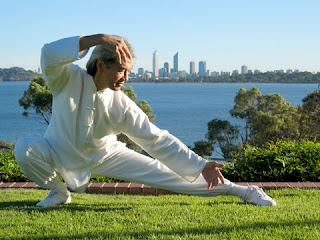
 There are 4 types of training: dynamic (special movement and exercise), static (postures), meditative (visualization or focus on specific ideas, sounds, concepts, or breathing patterns), and external aids (ingestion of herbs, messages, or physical manipulation). Let's now look at the ever-so popular yoga. Yoga has been around for at least 5,000 years; stone carvings dating back this far have been found in the Indus Valley. A big misconception is that it developed from Hinduism, but it actually pre-dates the religion. The techniques used today are the collective experiences of many individuals over many thousands of years (which has led to over 100 different schools of yoga. The 3 main structures are: exercise, breathing, and meditation, that are designed to place pressure on the body's glandular system. Breathing is based on breath being the source of life in the body. Breathing and exercise prepare the individual for meditation (quiet mind for silence and healing everyday stress). There are 8 steps in classical yoga (although not all are practiced in 'US' yoga). 1. Yama 'restraint' from violence, lying, stealing, and hoarding 2. niyama 'observance' purity, contentment, tolerance, study, and remembrance 3. asana- physical exercise 4. pranyama- breathing 5. pratyhara- preparation for mediation (withdraw mind from senses) 6. dharana- concentration 7. dhyana- meditation (focus on 1 thing or nothing) 8. samadhi- absorption or realization of the essential nature of the self. In addition to steps there are several schools of yoga: hatha (what we consider yoga- physical movements and postures, plus breathing), Raja ('Royal Road' all, plus meditation and study for the well-rounded individual), Jnana (most difficult, path to wisdom), Bhakti (extreme devotion- centered on personal concept of God), Kashirs Shaivism (ultimate union of opposites; emotion rather than intellect), and lastly tantra (show unseen consciousness through specific words, diagrams, and movements). What can you do? Of course there's the traditional DVD or picture book, try joining a class and get instruction and feedback, plus comrades. It's a great way to practice mediation (check past blogs).

I'll end with a list of just some of the many benefits of yoga: decreased blood pressure, decreased respiratory rates, flexibility, increased range of motion (joints), improved hand-eye coordination, improved posture, increased energy levels, improved sleep, improved balance, increased mood, decreased depression, improved memory and concentration, lower cholesterol and triglycerides, increased self-awareness, and personal growth. So go on and get your warrior poses on!

The Okinawans: The Key to Longevity

The fountain of youth or immortality have been dramatized and desired  by people all over. Are these realistic dreams? I think not, but what about the idea of aging successfully. To live a long, healthy (disease free) life. Sounds nice, doesn't it? Today most of us fear the risk of heart disease, stroke, or cancer (or occurrence) of these diseases, who live beyond the century marker. The Japanese (especially women) have the highest life expectancy in the world. We're going to look at the Okinawa, who have a well documented plethora of centenarians. They have more people over 100 years old per 100,000 population anywhere in the world. They have the lowest rates for cancer, heart disease, and stroke. Women in Okinawa have the highest age expectancy of all age groups. Some studies, suggest genetics as part of this (up to 1/3) because siblings of centenarians tend to live longer as well, but I would say that environment and lifestyle are the key factors. I firmly believe if Americans changed their lifestyles (especially eating habits) occurrences of these diseases would dramatically decrease, because we use genetic predisposition as an excuse for a lack of health and disease. So what accounts for the Okinawa's phenomenal ages? First off not only are they older, but their quality of life is high. They're lean (the average BMI is 18-22) and energetic, with less diseases. Reasons for most of their benefits are attributed to good diet, high levels of physical activity, moderate alcohol use, no smoking, and positive attitudes. What do they eat? A key point to make first, is that they eat less calories (say compared to the average American). They practice Hara Hachi Bu, where they eat until they are 80% full (rather than overstuffing themselves with ridiculous portion sizes). Eating less calories produces less free radicals. Free radicals are generated by metabolizing food into energy (which damages molecules like tissues and DNA). They increase the risk of chronic diseases. So eating less calories will increase life span. So where are they getting their calories? Okinawans eat vegetables in abundance (dark leafy greens and seaweed are just some forms). They also eat fruits, although, not nearly that much, compared to the amount of vegetables they consume. Protein sources? Fish of course, they are part of the island (surrounded by water) of Japan. This provides them with those oh-so essential omega-3 fatty acids (important for such things as cognition and inflammation), plus their vegetables are providing them with an array of vitamins, minerals, and antioxidants. In addition to being low in calories, their diet is low in glycemic load (less sugar, so that they're not spiking their insulin levels and causing inflammation). Physical activity? Okinawas aren't hitting the gym daily or killing themselves on treadmills; they get enough through everyday activities. This includes walking and gardening; slow aerobic activities (check out past blogs such as "Walking, Better than Running"). Other forms of exercise may include some kinds of soft martial arts, but once again they're not just going through the motions and doing it to 'get fit' like its a chore. It connects organically to their spiritual beliefs. They believe health and longevity are achieved by nurturing you ki (life energy) and by balancing life in tune with how nature intended. This fits right into their reduced stress (it's my personal belief that stress does not exist, but we create it in our minds, therefore we only have stress because we believe it) and increased moods. Tested Okinawans proved to be generally unstressed and maintained a positive outlook on life (great coping skills, in addition to a deep sense of spirituality, meaning and purpose). This has actually been correlated to their reduced risk of dementia. The Okinawans have some truly outstanding health facts. Studies individuals, not only have lower heart disease rates, but low cholesterol, low homocysteine levels (amino acid that causes damage to arterial walls, usually associated with those with low folate (leafy greens) and vitamins B6 and B12 intake), and clean, healthy arteries. Another chronic disease form-cancer, they have great figures (especially hormone-dependent forms. They have 80% less risk of breast and prostate cancers, and 50% less risk of ovarian and colon cancers. What else effects aging? Bone health- how about things like replacement hips and osteoporosis. Picture all those elderly you see shuffling around because picking up their feet increases the risk of falling, which increases their risks of snapping one of their frail and brittle bones! Okinawans have less risk of bone fractures and their bone density decreases at a slower rate. Why? Their high calcium consumption through diet, high activity levels, and of course vitamin D (we've discussed this before too, the sun is your friend so Go Outside!) Hormonally they're superior too! They have more natural DHEA, testosterone, and estrogen than Americas of the same age (which contributes to their successful aging too).  Higher levels of testosterone (which is important to both males and females) helps maintain muscle mass, which naturally decreases with age, but rapid loss can lead to sarcopenia (which many elderly Americans suffer). Muscles are important for not only movement, but posture and keeping you up right. DHEA is an indicator of biological aging, so the Okinawans higher levels, mean that they age slower than Americans and others. Higher levels of estrogen (once again important to both sexes) protects against osteoporosis and heart disease. Speaking of estrogen, though, Okinawan women tend to experience menopause naturally and have less complications (hot flashes, hip fractures, or coronary heart disease). Doesn't this all seem like part of a true American dream? Not only to live a long life, but a quality life. Imagine aging with your loved ones disease-free and functioning with full cognition. The Okinawans just further support all I've been reading and preaching. It's so simple: eat whole foods (load up on your veggies and omega-3 rich foods), move (you don't have to run miles a day, just get out and enjoy the sun with your family), and have a positive out look (don't create stress in your life). It doesn't have to be difficult, just take a page form the Okinawan's ways.